

The cost of living in the UK has been climbing for years, and one of the biggest frustrations for households is the relentless rise in energy prices. Like many people, I’ve watched my gas and electricity bills creep higher and higher, despite using roughly the same amount of energy each year. For a long time, I was paying £250 per month to British Gas for my gas and electricity combined. That’s £3,000 a year—an eye-watering amount of money for a basic household necessity. But recently, an old friend came back into my life and helped me discover a better deal. By switching to Utility Warehouse, I’ve managed to cut my monthly bill down to £160, saving £90 every single month—over £1,000 a year. This is the story of how that happened, why it matters, and what you should know if you’re thinking about making the switch yourself. Reconnecting with an Old Friend I’ve known my friend Peter since the days when we were both part of the Jesus Army. Back then, we spent time volunteering at the Jesus Centre in Northampton, living in one of the community houses, and being part of a close-knit group. The church gave us a strong sense of belonging, and volunteering together built memories that have stayed with me. When the church eventually fell apart, Peter and I lost touch. Life took us in different directions, and we didn’t see each other for many years. Fast forward to today, and we reconnected. It was great to catch up and reminisce about our shared past. But what I didn’t expect was that Peter would also help me make one of the most practical financial decisions of my adult life. Peter now works with Utility Warehouse (UW), a company that offers bundled services such as energy, broadband, mobile, and insurance. When I mentioned in passing how high my energy bills had become, he suggested he could take a look and compare his company’s rates with what I was paying. The Shocking Price Difference When Peter came over and we pulled out my latest bill from British Gas, I nearly fell off my chair. My gas and electricity combined were costing me £250 a month. That’s an enormous amount for a single household, especially when my energy usage hasn’t really changed much over the years. Peter showed me what the same usage would cost under a Utility Warehouse plan—and the difference was staggering. Instead of £250, my monthly bill would be £160. That’s a direct saving of £90 every month. To put that into perspective: I didn’t need much convincing. Making the Switch One of my biggest concerns was whether switching would be complicated. The last time I changed energy suppliers years ago, it felt like a mountain of paperwork and endless phone calls. But with Utility Warehouse, the switch was smooth, quick, and stress-free. Peter handled most of the process, and within a short time my supply had transferred over. There was no interruption, no hassle, and no hidden surprises. It honestly felt like a no-brainer. Yes, Peter Earns from It—And That’s Okay Now, full transparency: Peter does earn income through Utility Warehouse. But here’s the thing—I’m saving £90 a month. To me, that’s what really matters. I don’t mind that Peter gets rewarded for helping me save money. In fact, I’d rather my friend benefits than a faceless comparison site. After all, he spent the time checking my bill, explaining the options, and guiding me through the process. It’s a win-win situation. The Utility Warehouse Cashback Card Alongside the energy deal, I also tried out the Utility Warehouse Cashback Card, sometimes called the Bonus Card. The idea is simple: you get cashback every time you shop, which then gets credited directly to your UW bill. So far, I’ve saved £3 off my bill just by shopping as normal. That essentially covered the monthly fee. But to be honest, I’m not sure if I’ll keep it long-term. Unless I shop regularly at UW’s partner stores, I probably won’t save much more than the card’s monthly cost. Still, for heavy shoppers or families who spend a lot in supermarkets, it could be a great way to knock a few extra pounds off the energy bill every single month. If you already use reward or cashback cards, this could slot neatly into your money-saving routine. Why Utility Warehouse Made Sense for Me Here are the main reasons why switching to Utility Warehouse worked in my favour: For me, the energy saving alone was worth it. Everything else feels like a bonus. How My Deal Compares to UK Averages At first, I wondered—was I just lucky to find a cheaper tariff, or was my British Gas bill really that high? To check, I looked into what the average UK household pays for gas and electricity. The UK Average Energy Bill So, households in the UK generally pay somewhere between £135 and £155 per month, depending on region and usage. My Costs Before and After The key point is this: switching to UW brought my bills much closer to what’s normal in the UK, instead of the inflated amount I was stuck with before. What Utility Warehouse Customers Typically Save It’s not just me who benefits: Tips If You’re Thinking About Switching Energy Suppliers If you’re currently frustrated with your gas and electricity costs, here are some practical tips based on my own experience: The Bigger Picture: Why Energy Savings Matter With the UK cost of living crisis still affecting families, saving money on essentials is more important than ever. Cutting £90 a month from my energy bills frees up money for food, transport, and other household costs. For many households, even a £20–30 saving makes a difference. In my case, it’s more than that, and it genuinely feels like a weight lifted off my shoulders. High bills don’t just drain your wallet—they also create constant low-level stress. Every time a new statement drops through the letterbox, there’s that sinking feeling of wondering how much worse it will get. By switching, I’ve taken control of that anxiety. It’s also worth remembering

Working Away from Home as an Industrial Electrician’s Mate: What You Need to Know
Working Away from Home as an Industrial Electrician’s Mate: What You Need to Know Working as an industrial electrician’s mate is a career that can open up doors to new opportunities, new locations, and varied experiences. But with this flexibility comes a major question: what happens when you need to work away from home? For many tradespeople, “working away” means taking contracts that require you to temporarily relocate, live in digs or hotels, and manage your finances around two sets of costs — your ongoing expenses at home and your day-to-day living expenses while on site. This article breaks down everything you need to know about working away from home as an electrician’s mate, from pay rates and job length to accommodation, food, transport, and budgeting tips. Why Industrial Electrician’s Mates Are Often Asked to Work Away Industrial projects often take place in specific locations — large factories, manufacturing plants, shipyards, or renewable energy sites such as wind farms. These projects can last weeks or even months, and companies frequently need extra pairs of hands to support fully qualified electricians. Because projects are often outside your local area, working away becomes part of the job. While this can be exciting, it also comes with financial and personal challenges. 1. Understanding the Job Opportunity Before diving into the financials, ask yourself: Sometimes, a short-term inconvenience of being away from home can pay off in the form of valuable industry experience. For example, working on a major power station shutdown or a large-scale industrial installation may give you exposure you wouldn’t get in local work. Tip: Always weigh the career value of the job as well as the financial value. 2. Pay Rates and What’s Included The most obvious factor is pay. Rates for industrial electrician’s mates can vary widely depending on the project, location, and whether it’s direct employment or agency work. Questions to ask before accepting a job: Many companies offer what’s called a “lodging allowance” or “subsistence payment”, which is meant to cover food and accommodation. However, not all employers provide this — which means you’ll need to work out if your wages cover your extra living costs. 3. Covering Your Ongoing Home Expenses Even while you’re away, your home bills don’t stop. This usually means you’ll need to budget for: It’s easy to get caught up in the higher pay rates of a working-away job and forget that you’re now effectively running two households: your home base and your temporary accommodation. Budgeting Example: This amount needs to be covered before you even start thinking about digs, food, or transport costs on site. 4. Accommodation (Digs) Options Accommodation can make or break your working-away experience. If digs are paid for by the company, this removes a massive financial burden. However, if they’re not, you need to research affordable options. Common accommodation choices: Tip: If you’re self-catering, you’ll save significantly compared to eating out daily. 5. Food and Daily Living Costs Eating out three times a day can quickly eat into your pay. Unless your company provides a food allowance, you’ll want to budget carefully. Average costs if self-funded: Cooking for yourself in shared digs can cut costs in half compared to daily pub meals or takeaways. 6. Transport to Site Since you don’t drive, transport is one of your biggest considerations. You’ll need to ask: Example cost breakdown: Over a month, that’s an additional £400 in transport costs if you rely on taxis. This can dramatically reduce your net earnings. 7. Job Length and Security Another important factor is how long the contract lasts. Some jobs are only for a week or two, while others may run for six months or more. A short job may not be worth relocating for once you factor in costs. On the other hand, a long-term contract gives more stability and allows you to spread out your accommodation and travel expenses. Questions to ask: 8. Balancing the Numbers At the end of the day, you need to know if the job is financially worthwhile. Example Calculation (Weekly): In this scenario, you’re barely breaking even. Unless the role offers exceptional experience, it may not be worth it. By contrast, if digs and transport are covered by the company: This is much more worthwhile financially. 9. Lifestyle Considerations It’s not just about money — there are personal factors too: Some people thrive on the change of scenery, while others find it isolating. Be honest about what suits you best. 10. Tips for Success When Working Away Final Thoughts Working away as an industrial electrician’s mate can be a rewarding way to gain experience and boost your earnings, but it comes with serious considerations. From home bills to digs, food, transport, and job length, every factor impacts whether the role is truly worthwhile.

⚡ My Journey to Becoming an Electrician: Level 3 Electrics with Access Training Academies
⚡ My Journey to Becoming an Electrician: Level 3 Electrics with Access Training Academies Image Source: Access Training UK 🚀 Starting My Electrician Training Adventure In September 2025, I took a leap into a new career path by enrolling in the Level 3 Electrics course at Access Training Academies. Having done Level 1 and 2 previously I kew what I am getting into. It’s a decision that’s already reshaping my future. I’ve always been hands-on, curious about how things work, and drawn to practical problem-solving—so becoming an electrician felt like the perfect fit. The course is structured, intense, and yes, expensive. But it’s also incredibly rewarding. My goal is to complete everything—including the AM2 assessment—by December or January. That’s ambitious, but I’m determined to make it happen. 💸 The Cost: A Serious Investment Let’s talk money. The cost of this course is steep—honestly, you could buy a decent car for the same price. But this isn’t just a purchase; it’s an investment in a career that’s in high demand and offers long-term stability. Because of the schedule and intensity, it’s nearly impossible to work while studying. That’s why I’ve set myself a clear deadline: finish by the end of the year. You technically have up to three years to complete it, but I want to hit the ground running. 📚 Course Structure: What to Expect The course is broken down into four key phases: Image Source: Electrician Courses 4U 🔧 Hands-On Learning: Where It All Comes Together The practical phase has been my favourite part so far. There’s something deeply satisfying about wiring a circuit and seeing it work. It’s where theory meets reality, and you start to feel like a real electrician. The instructors at Access Training are top-notch. They’ve worked in the field, and they bring that experience into the classroom. They’re not just teaching—they’re mentoring. 🧠 Staying Motivated This course is demanding. Between the cost, the schedule, and the mental load, it’s easy to feel overwhelmed. But I stay focused by reminding myself why I started. I want a career that’s hands-on, respected, and financially stable. Setting a clear goal—finishing by December or January—helps keep me on track. It’s ambitious, but achievable. 🧭 Finding My AM2 Assessment Centre I haven’t secured a place for my AM2 yet, but I’m confident I’ll find one soon. It’s a bit stressful, but I’m staying proactive. I’ve spoken to other trainees who’ve gone through it, and their advice has been invaluable: practice, stay calm, and treat it like the real-world job it simulates. 🧑🔧 Why I Chose Electrics People often ask why I chose electrics. For me, it’s about independence and problem-solving. Electricians are always in demand, and the work is varied—you could be installing lighting one day and troubleshooting a fuse board the next. Plus, there’s room to grow. You can specialise, start your own business, or even move into teaching. Image Source: Trade Skills 4U 📈 Looking Ahead As I move closer to the AM2, I’m feeling a mix of excitement and nerves. It’s the final hurdle, but it’s also the gateway to a new career. I know it won’t be easy, but I’m ready to give it everything I’ve got. This course has already changed the way I think, work, and plan for the future. It’s not just a qualification—it’s a transformation. And I’m proud to be on this path.

How I Finally Got Paid After Four Months: A Self-Employed Electrician’s Story and Why I Recommend Beaumont Recoveries
Introduction – The Struggle of Late Payments in Construction If you’re self-employed in the UK, whether in construction, electrical work, plumbing, or freelancing, you’ll know the biggest headache isn’t always the work itself. More often than not, the real challenge is getting paid on time. In fact, late payments are a huge problem across the UK economy. Research by the Federation of Small Businesses shows that one in three payments to small businesses are late, and self-employed tradespeople are hit especially hard. For many, a single unpaid invoice can create weeks or months of financial stress. This blog is my personal experience of working as a self-employed electrician’s mate at a data center in Hayes, West London. After doing the job, I waited four months for payment that never came. Emails, phone calls, WhatsApp messages — all ignored. Finally, I instructed Beaumont Recoveries, a debt collection firm recommended by a friend, and within just one day they recovered my unpaid wages and even made the debtor pay their fees. Here’s my story, why I highly recommend Beaumont Recoveries, and some practical advice if you’re struggling with late payments. Taking the Job in Hayes – First Red Flags Back in May, I accepted a one-week job as an electrician’s mate at a large data center in Hayes, London. Like many in the trade, I often take short-term subcontracting work to keep busy between longer projects. The contractor who hired me was someone I hadn’t worked with before. That in itself isn’t unusual, but from the very beginning, something felt “off.” Their communication was vague, instructions were unclear, and the overall attitude gave me a bad first impression. Still, being self-employed, you sometimes have to take the work that comes. So I pushed those doubts aside and got on with the job. I completed the week, raised my invoice, and waited for payment. Little did I know that this would mark the start of a four-month battle to get what I was owed. Four Months Without Payment – Chasing the Contractor At first, I assumed it was just a small delay. Maybe the contractor’s accounts department was backed up, or maybe they had simply overlooked my invoice. These things happen, so I sent a polite reminder email. No reply. A week later, I sent another. Still nothing. I tried WhatsApp messages — read, but ignored. I left voicemails, but never received a call back. By this point, weeks had turned into months. Despite constant chasing, the contractor simply refused to acknowledge me. Four months later, I still hadn’t received a penny for my work. If you’ve been self-employed, you’ll know how frustrating this is. It’s not just about the money — though of course, it matters — it’s the disrespect. You put in your time, effort, and skills, and someone thinks they can just take that for free. The Toll of Late Payment on Self-Employed Workers Being unpaid for four months took its toll in several ways: Financial stress – I had bills to cover while waiting for overdue wages. Lost time – Hours spent chasing could have been used finding new work. Mental strain – Constant anxiety about whether I’d ever get my money. Frustration – Feeling powerless and ignored by someone who owed me. Late payment doesn’t just hurt your bank account — it chips away at your confidence, motivation, and trust in the industry. And sadly, I know I’m not alone. Discovering Beaumont Recoveries After months of frustration, I spoke about my situation on LinkedIn. A friend reached out and recommended Beaumont Recoveries, a company specialising in debt collection and recovering unpaid invoices for self-employed workers, freelancers, and small businesses. At first, I hesitated. I’d never used a debt recovery service before, and I wasn’t sure if it would be worth it. But at that point, I had nothing to lose. Clearly, chasing the contractor myself wasn’t working. I decided to give Beaumont Recoveries a try. The Debt Recovery Process – Quick and Professional From the very first call, I knew I’d made the right decision. The Beaumont Recoveries team was: Professional – They understood my situation immediately. Efficient – They acted straight away, no delays. Transparent – I knew exactly what would happen at each stage. Most importantly, they made sure the debtor paid their fees, not me. That meant I didn’t have to lose money on top of what I was already owed. Here’s the most surprising part: after months of chasing on my own, Beaumont Recoveries managed to get my money back in just one day. Yes, after four months of being ignored, the contractor suddenly paid up the moment professionals got involved. Why Beaumont Recoveries Worked When I Couldn’t Looking back, it’s easy to see why Beaumont Recoveries succeeded so quickly: Authority – Contractors may ignore individuals, but they take professional debt collectors seriously. Experience – Beaumont Recoveries know the law, know the processes, and know how to pressure debtors effectively. Reputation – When their name is attached to a case, debtors realise they can’t just brush it aside. Where my polite reminders had failed, their firm approach got instant results. The Bigger Picture – Late Payments in Construction and Trades My story is personal, but it reflects a much bigger issue. In the UK construction industry, late payments are a persistent problem. Many contractors and subcontractors rely on a chain of payments, and when one link breaks, it affects everyone below. Statistics show that: Small businesses in the UK are owed billions in unpaid invoices at any given time. One in three tradespeople have experienced payment delays longer than 60 days. Many self-employed workers end up writing off debts because they don’t know how to recover them. This culture of late payment is damaging, not just financially but also mentally. That’s why services like Beaumont Recoveries are so important — they level the playing field and give self-employed workers a voice. Practical Advice If You’re Owed Money If you’re a self-employed worker or small business struggling with unpaid invoices, here are some lessons I’ve learned: 1. Trust Your Instincts If a contractor seems unreliable from the start, proceed with caution. 2. Keep Everything
From a Bad Experience in Hayes to a Reliable Partner in Slough
From a Bad Experience in Hayes to a Reliable Partner in Slough When Things Don’t Go to Plan Back in May, I started a short job with an electrical installation company in Hayes, London. From the first day, things felt off. The workplace was disorganized, communication was poor, and I had an uncomfortable feeling in my gut. By Friday of that week, I had made my decision: I wasn’t going back. It was clear the company wasn’t professional, and unfortunately, I was proven right. It took almost four months to finally get paid. For anyone who works self-employed, especially in trades like electrical engineering, that’s one of the biggest risks—putting in your time and skill but having to fight just to receive what you’ve earned. Late payments and unprofessional employers are one of the biggest challenges of self-employment. Turning to a Trusted Recruitment Partner Fortunately, I wasn’t stuck for long. Being already in London and having paid for my Airbnb, I decided to reach out to someone I knew I could trust: Kieran from Ascension Recruitment. I’d worked with Kieran before and had always found him and his agency to be professional, straightforward, and—most importantly—reliable. So, I sent him a message, explaining the bad experience I’d just had in Hayes and asking if he had any work available. It didn’t take long for him to get back to me. Within hours, he had lined up a new role—this time at a data center in Slough, just a few stops down the Elizabeth line from where I was staying. Just a short trip on the Elizabeth line took me from a bad experience in Hayes to a much better opportunity in Slough. A Smooth Start in Slough The difference was night and day. Not only was the pay rate better with Ascension Recruitment, but everything was handled smoothly: Kieran kept his word, and that counts for a lot in this industry. I started the following Tuesday, and the project ended up lasting quite some time. Having steady, professional work after such a shaky week was a huge relief. The data center project in Slough provided stability, good pay, and professional conditions. Why Reliability Matters in Self-Employment Working as a self-employed electrician has many benefits: But there are challenges too: That’s why having a trustworthy recruitment partner is so valuable. It takes away the uncertainty and allows you to focus on what you do best: delivering quality work. Strong relationships with reliable recruiters are essential for self-employed tradespeople. My Recommendation If you’re in the electrical engineering field and looking for reliable agency work, I can say without hesitation: Kieran at Ascension Recruitment is someone you can count on. He sticks to his promises, communicates clearly, and makes sure you’re looked after. After my negative experience in Hayes, it was refreshing to be reminded that there are good people and professional agencies out there who respect your work and your time. Good recruiters like Kieran make self-employment more secure and rewarding. Final Thoughts Looking back, I’m actually glad the Hayes job didn’t work out. It pushed me to reconnect with Ascension Recruitment, and that decision led me to a much better opportunity in Slough. Self-employment can be tough at times, but with the right contacts and a strong network, it becomes not only manageable but deeply rewarding. And for me, having recruiters like Kieran in my corner makes all the difference.

From Hayes to Slough: My Journey Through Electrical Installation, Self-Employment, and Finding the Right People to Work With
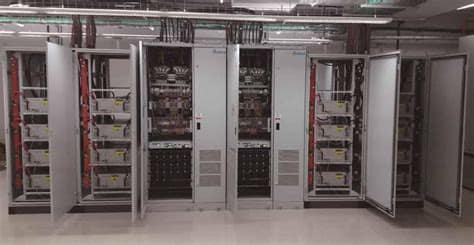
Introduction Self-employment in the electrical installation trade can be one of the most rewarding career paths. You gain independence, choose your own projects, and develop skills that are always in demand. But it also comes with unique challenges—sometimes in the form of unreliable companies, late payments, and stressful working environments. In this blog, I want to share a personal experience from May 2023, when I took on a short-term role with an electrical installation company in Hayes, London. The project quickly turned into a negative experience, and it took me months to receive payment. Fortunately, that setback opened the door to something much better. Through a trusted connection—Kieran from Ascension Recruitment—I was able to land a role on a data center project in Slough for Arnold Mardix (a Flex company). That experience reminded me why I love my job and why strong professional networks are essential for self-employed contractors. This story is about setbacks, lessons learned, and the pride of contributing to cutting-edge data center infrastructure. A Rocky Start in Hayes When I accepted a role in Hayes, I expected a straightforward week of electrical installation work. Instead, from day one, I felt uncomfortable. By Friday (19–23 May), I had already made up my mind: I wouldn’t be returning the following week. It was a hard decision because, as a self-employed electrician, every day counts. But sometimes your gut instinct is the best guide. Sadly, my suspicions were confirmed. It took four long months before I finally received payment for that week of work. The stress of chasing invoices is something every self-employed contractor dreads, and this experience was a stark reminder of the risks we face.Late payments are one of the hardest challenges in self-employment. The Reality of Self-Employment in Electrical Installation Self-employment offers freedom, flexibility, and the chance to grow your skills on diverse projects. But it also comes with downsides, especially when working with smaller or less reliable companies. Common challenges include: Despite these risks, I wouldn’t trade self-employment for anything. The variety of projects and the sense of independence make it worthwhile. But experiences like the one in Hayes highlight why it’s so important to choose your clients carefully. Finding Stability Through Trusted Networks Since I had already booked and paid for my Airbnb in London, I needed to find another project quickly. That’s when I got in touch with Kieran from Ascension Recruitment. Kieran understands the industry inside out. He values both professionalism and the human side of contracting. Unlike my Hayes experience, Kieran made sure everything was transparent: Within days, I was placed on a data center project in Slough, installing substations, cabinets, bus bars, and backup batteries. The contrast could not have been greater.Installing backup batteries for critical data center infrastructure.Bus bars ensure efficient power distribution across data centers. The Data Center Project in Slough The Slough project was an eye-opening experience in professionalism and scale. Unlike the chaotic Hayes job, everything here was structured, safe, and well-managed. Installing Substations One of my main tasks was installing substations. In a data center, substations are essential—they transform high-voltage electricity into usable levels for different parts of the facility. This required: Done right, substations ensure that servers, cooling systems, and backup batteries always have stable power.Data center substations form the heart of power distribution. Bus Bars: Power Highways of the Data Center Another critical responsibility was installing and testing bus bars. Instead of running hundreds of individual cables, bus bars act as power highways—efficiently delivering electricity across the facility. Every connection had to be precise. Improper torque or alignment could create hotspots, risking catastrophic failure.Bus bars distribute massive amounts of current safely and efficiently. Testing Bus Bars and Equipment After installation came the most important step: testing and commissioning. Data centers cannot afford downtime. By thoroughly testing every bus bar, substation, and cable, we made sure the system was stable before going live.Testing prevents failures that could cost millions in downtime. Lessons From Data Center Work Working in a data center environment taught me several important lessons: Precision installation keeps global digital infrastructure running. A Mini-Guide to Electrical Work in Data Centers For electricians considering this field, here’s what to expect: Typical Tasks Required Skills Benefits of Data Center Projects Data centers offer both technical challenges and rewarding opportunities. Why Strong Recruitment Connections Matter If Hayes showed me the risks of self-employment, Slough proved the value of having strong recruitment connections. With Kieran at Ascension Recruitment: For self-employed contractors, having someone in your corner who understands both your trade and your needs is invaluable.Strong professional networks turn self-employment into a stable career. Loving the Job Despite Challenges Even with setbacks like the Hayes experience, I still love what I do. Self-employment isn’t always easy—but when you find the right projects and the right people, the rewards far outweigh the difficulties.Passion for the trade keeps everything moving forward. Conclusion: From Setback to Success My journey from Hayes to Slough is proof that not every opportunity is worth taking. Walking away from a toxic environment may feel risky, but it can lead to something much better. In self-employment, you’ll encounter both unreliable companies and excellent ones. The key is to trust your instincts, learn from setbacks, and build strong networks. Thanks to Kieran and Ascension Recruitment, I went from chasing invoices in Hayes to installing substations and bus bars in one of the UK’s most important data centers. That’s the nature of self-employment: some weeks test your patience, others remind you why you love the job. And for me, despite the challenges—I wouldn’t trade it for anything.

Eight Weeks in Kendal: My Personal Journey
When I first signed up for the job with Ascension Recruitment at Arnold Mardix, I thought, eight weeks away from home — that’s manageable. What I didn’t know back then was just how much those two months would change me, and how many stories I’d bring back. Looking back now, it feels like a mixture of work, laughter, challenges, Sunday mornings full of music and prayer, long walks in Cumbria, and the occasional homesick pang for Ralf. Settling Into Kendal Arriving in Kendal felt like stepping into a postcard. The town is charming, surrounded by hills and close to the beauty of the Lake District. But I wasn’t there as a tourist — I was there to work. Ascension Recruitment had arranged everything, including accommodation, which was part of the pay deal. At first, I thought, great, one less thing to worry about. And truly, I was lucky. The agency made sure we were looked after, and Kieran, in particular, was always available. He was our safety net. When you live and work away from home, little things matter — like knowing you’ve got someone to turn to if the accommodation becomes awkward or if tensions rise. And tensions did rise. People smoke, some drink, others just keep to themselves. Living together isn’t always easy, especially when everyone has different habits and moods. But Kieran never left us stranded. He listened, stepped in when he needed to, and made sure we felt supported. Work at Arnold Mardix At Arnold Mardix, I met some of the most amazing people. The team atmosphere was welcoming and fun, but also professional and serious when it had to be. Those eight weeks weren’t just about earning money — they were about growing, pushing myself, and seeing how much I could take on. What stood out to me most was the teamwork. It wasn’t always smooth sailing, but there was this sense of pulling together to get the job done. I learned a lot from the people around me, and I hope I left something positive with them too. Every day had its rhythm — starting early, working through the challenges of the day, then heading back to shared accommodation where the real “community living” began. Some nights we’d laugh and share stories, other nights everyone kept to themselves. But there was always this sense of, we’re in this together. Discovering the Salvation Army Corps One of the biggest surprises of my time in Kendal was how much the local Salvation Army Corps became part of my life. One Sunday, I decided to go along, thinking it might be nice to see how the community worked here. What I didn’t expect was to feel like part of a family the moment I walked in. Captain Hillary, who leads the Corps, is truly inspiring. She has this way of making you feel seen, welcomed, and appreciated, no matter who you are or where you come from. Her energy, her commitment, her kindness — they left such a mark on me. From that first Sunday, I felt like I had found a second home. The people were warm, friendly, and genuinely supportive. When you’re living away from your own family, that sort of connection is priceless. It wasn’t just about church; it was about community, about people coming together to care for one another. I’ll never forget how it felt walking in and being greeted with smiles and open arms. It reminded me that kindness and belonging can be found anywhere, even when you least expect it. Exploring on Days Off Of course, I didn’t spend all my time working or at the Corps. Days off were an opportunity to explore Kendal and beyond. Windermere became a favourite. There’s something magical about that lake — whether you’re standing by the shore, watching boats drift by, or walking along its paths with the hills rolling in the background. The air feels fresher there, like it’s washing away the stress of the week. Other places around Kendal were just as charming. The town itself is full of character — little shops, winding streets, and the remains of Kendal Castle perched on the hill. Walking up there gave me some of the best views of the town, especially on clear days. Exploring became a way to recharge, to remind myself that while I was there to work, I was also in one of the most beautiful parts of England. Each day out felt like a little adventure, a reward for the hard work during the week. Missing Home and Ralf As much as I loved Kendal, I’d be lying if I said I didn’t miss home. More specifically, I missed Ralf. Anyone who has a dog knows how quickly they become part of your heart. Being away from him was one of the hardest parts of the whole experience. I tried to get home every two weeks just to see him, to remind him (and myself) that our bond was still strong. Those reunions were always emotional — dogs have a way of making you feel like you’ve been gone for years, even if it’s only been days. Thankfully, I had Victoria, my dog walker, who stepped in while I was away. She walked Ralf twice a day, every single day for eight weeks. Yes, she charged me, but the peace of mind was worth it. Knowing he was cared for made it possible for me to focus on work and enjoy my time in Kendal without constant worry. Still, I’d lie in bed some nights wishing he was there, curling up at my feet. That’s the thing about working away — no matter how many good things are happening, part of you always longs for home. The Ups and Downs of Living Away Those eight weeks weren’t perfect. There were days when I felt exhausted, when the accommodation felt cramped, when the small annoyances of living with others got under my skin. There were moments of homesickness that hit unexpectedly, like walking
Gigafactory in Sunderland
I’ve been fortunate to get a subcontractor contract with BSI Electric to work at the Gigafactory in Sunderland. The Gigafactory will in the future be producing batteries for electric cars. The team I am working with is awesome. There are some really great people and tasks that I’ve trained for and because of the college classes I’m taking. At the moment the contract is only until Christmas with the possibility to extend it for up to two years. This depends on several factors, and as I enjoy the work and people I work with I would really like this to continue. The reason for this is that BSI had an accident with some injuries just the week before I started. So their contract is being evaluated.